As the world gradually learns about the BRICS-nations (Brazil, Russia, India, China, and South Africa) as young and vibrant economic power group, the question arises whether approaches and business behaviours in those five markets are somewhat similar.
Actually, they are not. In fact, the differences start with the level of knowledge of ‘business-English’. India and South Africa, of course, are fluent, and this despite their many local languages and dialects. There are hundreds in India including Assamese, Bengali, Hindi, Kashmiri, Malayalam, Nepali, Punjabi, Sindhi, Tamil, and Urdu; and 8 official languages in South Africa (English, Afrikaans, Xhosa, Zulu, Swazi, Sotho, Tsonga, Venda, and Ndebele).
As for Brazil, Russia and China however, the majority of business people still master English badly, or not at all. While that can be understood for China, the situation in Brazil and Russia is worse than expected and requires time, patience and intensive translation-initiatives for all business transactions.
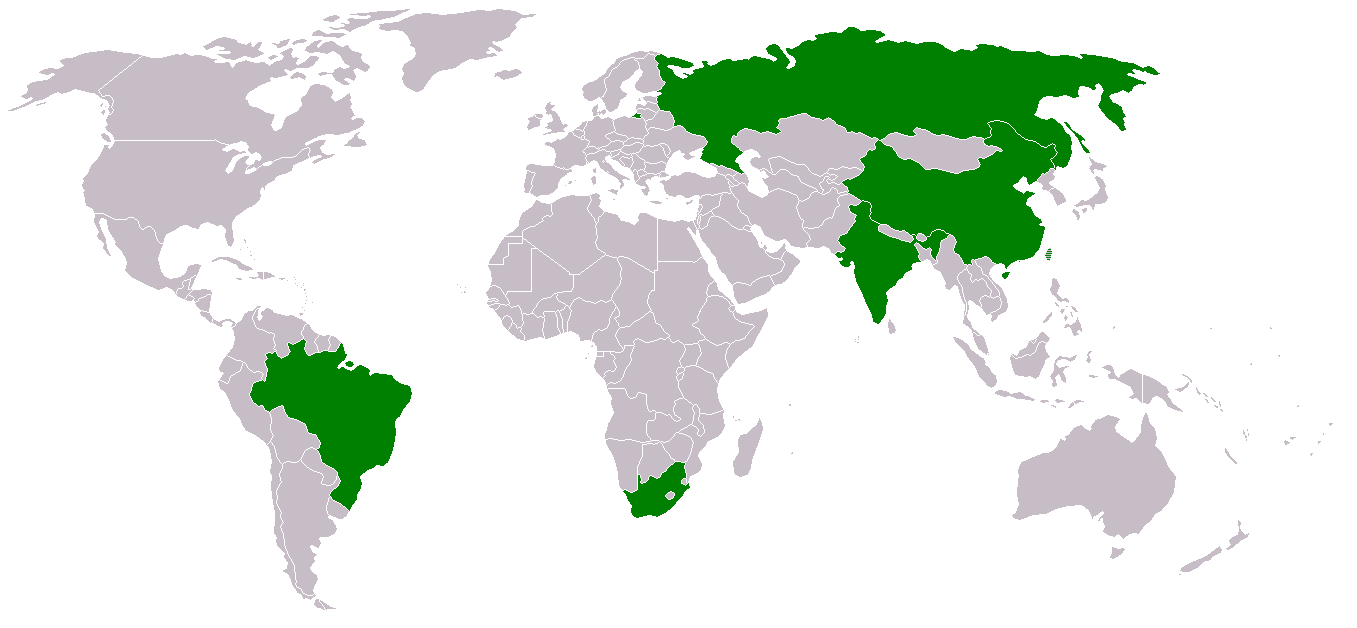
3 of the countries are very multicultural nations, Brazil, India and South Africa. And that is relevant in business proceedings. One must not only respect but endorse the variety of values, core believes, listening habits, communication patterns, and working behaviours. If well managed and channelled, those nations bring both creativity and linear-disciplines to the table.
Despite their many regional people and tribes, in international business, China and Russia are basically ‘single-mentality’- nations, with a certain lack of flexibility in seeing things and handling matters.
Protocol or not?
With the exception of Brazil, all BRICS-countries appreciate rather formal business proceedings, including polite greetings and introduction gestures, sometimes stiff seating arrangements, precise agenda about attendance and who may speak.
This can be different in South Africa, if the business partner origins from the Black or Coloured communities; then meetings are more relaxed. As it is in Brazil, where business exchanges often are staged in a chaotic environment, with regular interruptions and a certain lack of discipline. But, a multicultural background does not necessarily produce chaotic conferences. India too is a very multicultural and emotional nation and yet it respects its English upbringing in business proceedings.
Emotions versus long-term Goals
Generally, Brazilians like to please and their business-people therefore often apply colourful, if not exaggerated language when selling their services. It can be superficial too; also based on the complexity of the Portuguese language. Russians can be tough negotiators, able to use rough language and negations-tactics taken from their beloved game of chess. Indians are excellent sales people; colourful, noisy, and sometimes exaggerating too.
As are Chinese; they love the game of trading, bargaining, and selling. While South Africans are still somewhat finding their own way in international business. They have learned the formal English approach, but are now developing their own styles, based on its young and very multicultural business communities.
Brazil, Russia and somehow also South Africa are more eager to move fast and their focus lies on short- and medium-termed opportunities and deals. In India and China however, relationship-building might take its time, and priorities are often given to long-term objectives.
The appreciation of quality
Europe and America have a very demanding level of quality, and that’s still very different in the BRICS-states. Quality often does not mean excellence, but merely an execution of an agreement (order versus delivery). In Brazil for example, jeitinho is key, meaning opportunism rather than in-depth operations. And in China, mass production is required first, in order to serve the priorities, such as huge local needs and cheap global demand.